Home / Guides / Cheap overnight tariffs and home batteries
Tariffs
Cheap overnight tariffs and home batteries
How it works
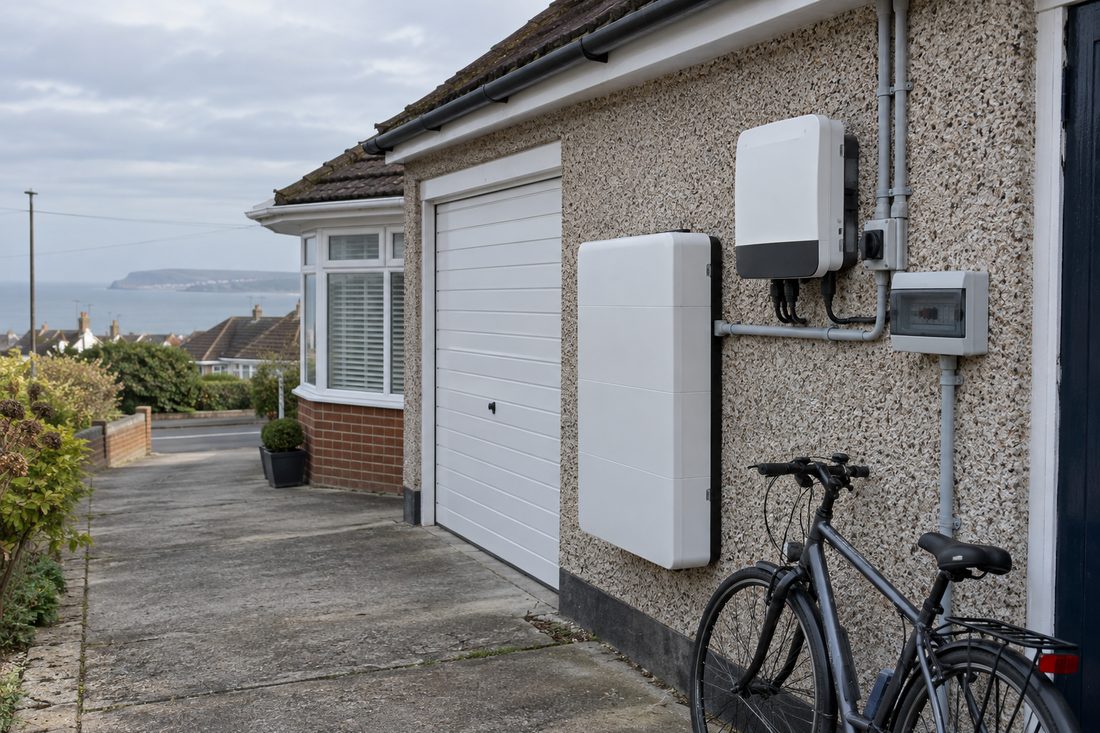
You need a smart meter and a tariff with a cheap period, usually overnight. The battery fills while power is cheap, then supplies the house when the day rate is higher. You keep the difference, less the 10% the battery loses.
The rate we read
Octopus's Intelligent Octopus Go page lists smart charging of eligible cars from 7.6p per kWh, with six hours of cheap power each night between 11:30pm and 5:30am, and says it is offering only fixed rates at the moment. It is an example, not a recommendation, and the rate you are offered depends on your region and your car or charger. We quote no other tariff rate here because we did not read one today.
The honest sums
With a 10p cheap rate against 26.32p, 5 kWh with no solar costs about £2,750 to £4,750 and saves about £180 to £270 a year, a payback of 12 to 21 years in our model. That beats a battery added to solar with no tariff change, but it is still long beside a 10 to 12 year life.
Questions people ask
Do I need an electric car?
Not for every cheap tariff, but Intelligent Octopus Go needs an eligible car or charger.
Is the cheap rate guaranteed?
No. Tariffs change, and only fixed rates were on offer on the Intelligent Octopus Go page we read.
Can I use it with solar?
Yes. The battery takes solar by day in summer and the cheap rate in winter.
Want numbers for your own house? Try the estimator or ask for a free quote.
Sources
- Octopus Energy: Intelligent Octopus Go
- Ofgem: price cap unit rates and standing charges
- Energy Saving Trust: battery storage
More guides
- What solar and a battery cost for a Herne Bay house
- Solar only, battery only, or both?
- Is a home battery worth it?
- 0% VAT on solar and batteries: what it means
- Smart Export Guarantee: what you are paid
- Planning rules for solar in Herne Bay
- Plug-in solar for flats and terraces
- What size solar and battery do I need?
- An EV charger with solar and a battery